UNESCO warns about the impact of port development on World Heritage site in Panama The Oxygen Project reports
NEW YORK, Feb. 27, 2026 /PRNewswire/ — The United Nations has raised concerns that a multi-million dollar port development, Puerto Barú in David, could impact a World Heritage site, Coiba National Park.
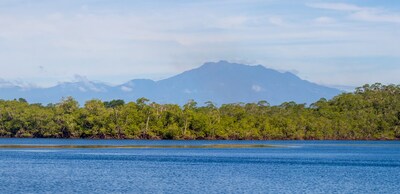
The United Nations Educational, Scientific and Cultural Organisation (UNESCO) warning follows fears across Panama that the port could damage a rare and protected mangrove forest, and other protected areas including Coiba National Park.
UNESCO has urged Panama’s government to reassess the impact the development would have on Coiba National Park and the precious environment.[1]
The proposed port site for Puerto Barú in David is surrounded by 25% of Panama’s mangroves, and its navigation channel cuts through an area declared legally protected in 2007.
The port’s construction and subsequent operations could cause irreversible damage to one of the largest mangrove forests in Latin America.
UNESCO’s World Heritage Committee is calling for a review of the plans for the port, which were approved by the previous Panamanian government.
The Puerto Barú development in David is already facing two lawsuits in the Supreme Court of Justice in Panama, challenging the approval of the project’s Environmental Impact Study (EIS) and raising alarm about the potential impact of the project on delicate local ecosystems.
Recently, the developers of the project filed criminal and civil lawsuits against the NGOs raising concerns about the port, which involved freezing the assets of two NGOs resulting in them not being able to pay their staff. These are the first lawsuits against environmental organizations of their kind in Panama.
Independent scientific research, conducted by international consulting firm Lynker, found that the EIS used flawed methodologies and underestimated the impact and risks to the mangroves and other biodiversity in the area.
In a statement published online, UNESCO urged the Panamanian government to ensure the Puerto Barú in David project is assessed in line with the Guidance and Toolkit for Impact Assessments in a World Heritage Context. Per the statement, the potential impacts on the Outstanding Universal Value (OUV) of Coiba National Park must be fully considered, and any negative impacts avoided, “prior to making any decision that would be difficult to reverse”.
The protected mangroves and surrounding area provides shelter to critically endangered animals, including the black-crowned Central American squirrel monkey and the hawksbill sea turtle, which is considered the world’s most endangered sea turtle. As both populations continue to decline, various countries and organisations are implementing efforts to prevent their extinction.
Other species, including bottlenose dolphins, birds, monkeys, iguanas, fish, crustaceans and mollusks, inhabit the area.
The proposed site is at the end of a long navigational channel, which would require substantial and costly dredging. The large amount of dredging would impact the mangrove forest and species, as well as nearby coral reefs.
Vasser Seydel, President of The Oxygen Project, said:
“UNESCO’s call makes clear that the port project, Puerto Barú, poses a potential irreversible risk to Coiba National Park, and other protected ecosystems. Mangroves are frontline climate infrastructure; protecting communities, storing carbon and sustaining livelihoods. To endanger one of the world’s most critical mangrove ecosystems, while silencing local voices and defenders, is not development, it’s a global climate failure and human rights injustice.”
Christian Vanizette, Co-Founder of the chilli.club, said:
“UNESCO is sounding the alarm: the Puerto Barú port risks irreversible harm to Coiba National Park and one of the most important mangrove ecosystems on the planet. In the climate emergency we are facing, we cannot afford to destroy mangroves.”
Callie Veelenturf, founder of The Leatherback Project and a leading marine biologist in Panama, said:
“Panama made history by recognizing the Rights of Nature through Law 287, affirming that ecosystems have the rights to exist, thrive and regenerate. Moving forward with Puerto Barú in this location, while UNESCO calls for caution, would undermine Panama’s landmark commitment, risking irreversible harm to these mangroves and threatening the ecosystem integrity of Coiba National Park. This is a critical moment for Panama to uphold Law 287, honor its moral leadership and unequivocally protect Nature.”
Notes to Editors
 View original content to download multimedia:https://www.prnewswire.com/news-releases/unesco-warns-about-the-impact-of-port-development-on-world-heritage-site-in-panama-the-oxygen-project-reports-302699834.html
SOURCE The Oxygen Project